


Managing Spring Melt
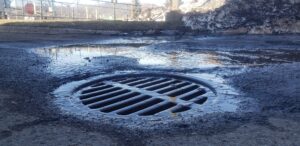
During the spring melt season, water can demonstrate its power to impact communities and homes. With near-record snow and a fast warm up this April, the capacity of our sewer systems to manage water are put to the test. At the Western Lake Superior Sanitary District, employees are working around the clock and across our 530-square mile area to help ensure the water goes where it is supposed to.
Communities served by WLSSD have two different sewer systems. Sanitary sewers carry wastewater from homes and businesses to be treated at the wastewater treatment facility in Duluth at 27th avenue west and the waterfront. Wastewater is cleaned at the facility and released to the St. Louis River. Storm sewers are a similar but collect rain and snowmelt instead. Storm sewers drain this water directly in area streams, rivers, and Lake Superior without additional cleaning.
When there are large volumes of water from snowmelt or rainstorms, the capacity of sanitary sewers can be challenged due to storm water inflow and infiltration, often referred to as I & I.
- Inflow: Rainwater and snowmelt that improperly drains into the sanitary sewer. Sources of inflow include foundation drains, roof drains, and sump pumps directing clean water into the sanitary sewer.
- Infiltration: Clean water leaking into the sanitary sewer. Causes include old or cracked pipes and faulty connections.
Too much clean water entering the sanitary system can cause backups into basements and overflows into our environment. WLSSD relies on partnerships with municipalities and industries to create and maintain infrastructure including pipes, pumps, and overflow basins to manage large water events. Community members can also help manage the amount of flow entering our system.
Sump Pumps
If your household has a sump pump, make sure your pump is not draining into the sanitary system, either through a direct connections to the sanitary sewer or by placing the hose into sinks or drains. Instead, make sure the water is being directed into your yard and away from your home. Doing so will allow for the clear snow melt and storm water to flow to the storm sewer system.
Storm Drains and Manholes
Help keep storm drains clear of debris so that runoff can flow freely. Pooling storm water and meltwater can enter the sanitary sewer and magnify stress on the wastewater treatment plant. If you spot any overflow coming from a manhole, avoid contact with the water and report it to WLSSD by calling 218-722-3336.
Pipe Maintenance
It is important to maintain the condition of our pipes year round. Broken sewer pipes between the private home and main collection line are usually the responsibility of the homeowner. Keep your pipes clean and do not plant trees or bushes on top of the sewer line as roots can cause pipe damage. Make appropriate repairs and replace if necessary.
While many of us have been waiting for spring to arrive, the negative impacts of a rapid snowmelt are real. By working together both today and throughout the year, we can support the systems that are protecting public health and our environment.