Todays Hours


All Hours:
- Monday: Closed
- Tuesday: Closed
- Wednesday: 8:00 am - 4:30 pm
- Thursday: 8:00 am - 4:30 pm
- Friday: 8:00 am - 4:30 pm
- Saturday: 8:00 am - 4:30 pm
- Sunday: Closed
Holidays Closed:
- New Years Day
- Martin Luther King Day
- Presidents Day
- Memorial Day
- Juneteenth
- Independence Day
- Labor Day
- Indigenous Peoples Day
- Veterans Day
- Thanksgiving and Day After
- Christmas Eve and Christmas Day
All Hours:
- Monday: Closed
- Tuesday: Closed
- Wednesday: Closed
- Thursday: 8:00 am - 4:30 pm
- Friday: 8:00 am - 4:30 pm
- Saturday: 8:00 am - 4:30 pm
- Sunday: Closed
Holidays Closed:
- New Years Day
- Martin Luther King Day
- Presidents Day
- Memorial Day
- Juneteenth
- Independence Day
- Labor Day
- Indigenous Peoples Day
- Veterans Day
- Thanksgiving and Day After
- Christmas Eve and Christmas Day
All Hours:
- Monday: Closed
- Tuesday: Closed
- Wednesday: 8:00 am - 4:30 pm
- Thursday: 8:00 am - 4:30 pm
- Friday: 8:00 am - 4:30 pm
- Saturday: 8:00 am - 4:30 pm
- Sunday: Closed
Holidays Closed:
- Memorial Day
- Juneteenth
- Independence Day
- Labor Day
- Indigenous Peoples Day
- Veterans Day
All Hours:
- Monday: 8:00 am - 4:30 pm
- Tuesday: 8:00 am - 4:30 pm
- Wednesday: 8:00 am - 4:30 pm
- Thursday: 8:00 am - 4:30 pm
- Friday: 8:00 am - 4:30 pm
- Saturday: Closed
- Sunday: Closed
Holidays Closed:
- New Years Day
- Martin Luther King Day
- Presidents Day
- Memorial Day
- Juneteenth
- Independence Day
- Labor Day
- Indigenous Peoples Day
- Veterans Day
- Thanksgiving and Day After
- Christmas Day
Learn about Resource Renew biosolids
What are biosolids?
What do our farmers have to say about biosolids?
Resource Renew biosolids fertilize crops and minelands
Biosolids are a product of biological wastewater treatment process at Resource Renew and are used for fertilizer in northern Minnesota and Wisconsin.
Biosolids contain nutrients important for crop growth and organic matter to enrich soils. Because its nutrients are contained in organic matter, biosolids act as a slow-release fertilizer.
The biosolids are produced with a two-stage biological process. In the first stage, oxygen-loving bacteria break down pollutants and are separated from wastewater. In the second stage, bacteria that thrive without oxygen create a stable biosolids product that resembles black dirt.
For Farmers
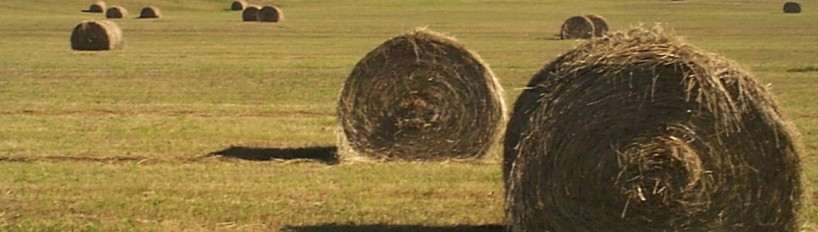
Resource Renew biosolids can increase yields and improve the quality of grass hay, the main crop in this region. Some farmers use biosolids to fertilize cash crops, such as canola and wheat. Taconite companies use biosolids to revegetate mine tailings basins.
Practices & Benefits
The production and use of biosolids are regulated by the U.S. Environmental Protection Agency, the Minnesota Pollution Control Agency and the Wisconsin Department of Natural Resources. Resource Renew biosolids are of much better quality than regulations require.
Resource Renew’s certified staff delivers and spreads biosolids to ensure compliance with all regulations and appropriate application rates. Resource Renew employees use careful, well-monitored practices to meet farmers’ needs and protect the environment. Those practices include testing, monitoring, computerized mapping and GPS technology.
What about PFAS?
Visit the PFAS page learn more about PFAS and the sampling WLSSD is conducting.
Biosolids Newsletter
Resource Renew publishes the Biosolids Digest newsletter twice each year for farmers and land owners, including practical tips, research, and notes from the field.