


Data Centers and Wastewater
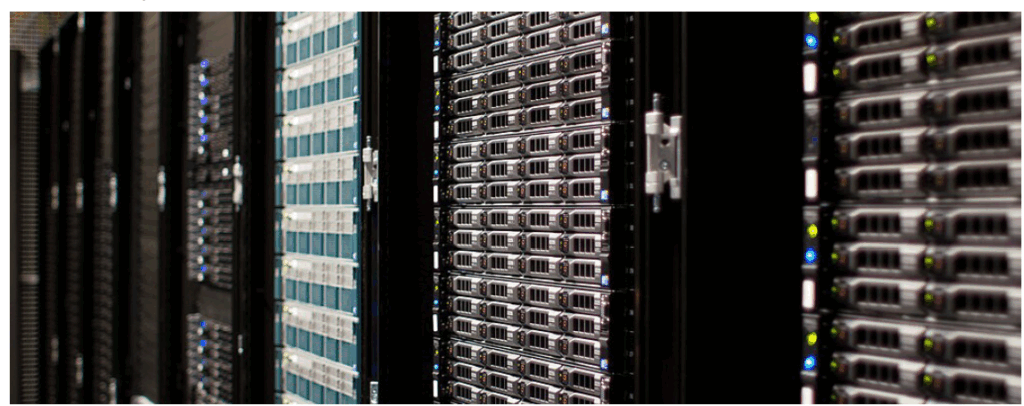 Servers found at Wikimedia Fountation used to store data and run programs.
Photo by Victorgrigas. This image is licensed under the Creative Commons Attribution – Share Alike 3.0 Unported license
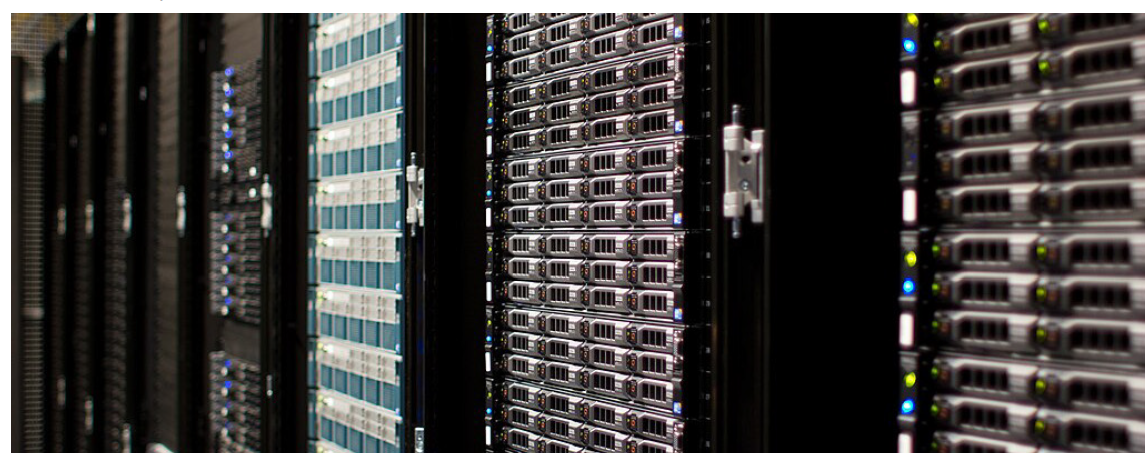
As interest in data centers grows, it’s important to understand how these facilities interact with public infrastructure—especially water and wastewater systems. The information below explains what a data center is and how its water use differs from typical residential or business use.
What Is a Data Center?
Data centers are specialized buildings that house servers and computer systems. They support many everyday digital services, such as:
- Online shopping
- Streaming
- Cloud storage
- Medical record systems
- Artificial intelligence tools
They are considered essential infrastructure in today’s digital economy.
Water Use and Cooling
Servers generate heat and must be kept at stable temperatures to operate reliably, and data centers can use several methods to manage this heat. Many rely on air-based systems, much like an air conditioning system. Cold air is circulated through server rooms and hot air is contained and removed. Other data centers use the evaporation of water to absorb the heat. As this water is cycled and evaporated, it changes in composition before being discharged. The choice of cooling method depends on the facility’s size and specific site considerations.
How Data Center Wastewater Differs
Water Resource Recovery Facilities (WRRFs) are designed to treat wastewater that contains organic material and nutrients-common in household water-and produce clean water, energy, and fertilizer. Data centers using water for cooling produce wastewater that is different in two key ways:
- Low in nutrients and organic material
This means it offers little of the “food” normally used by wastewater treatment microbes during the biological process. - Higher concentrations of salts and minerals
Cooling processes can concentrate minerals, which may disrupt biological treatment if not managed properly.
In fact, under Resource Renew’s NPDES permit from the Minnesota Pollution Control Agency, non-contact cooling water can’t be discharged to our system unless there’s no cost-effective alternative. Data centers may increase the total volume of water entering a system, but not necessarily the type that wastewater treatment facilities are designed to process.
Pretreatment Requirements
Before discharging water to a public system, data centers—like all industrial users—must follow pretreatment standards. Pretreatment helps reduce substances that could affect wastewater infrastructure or treatment performance.
Process for Connecting New Facilities
If a data center or any large user seeks to connect to the regional wastewater system, the following steps typically occur:
- Capacity Availability Fees (CAF)
These fees help cover the cost of infrastructure capacity. - Technical and capacity review
Engineers confirm the system can safely handle the added flow. - Approval and permitting
Local governing bodies and agencies such as the Minnesota Pollution Control Agency (MPCA) must grant authorization before construction or discharge begins.
These measures ensure that system reliability, performance, and regulatory obligations remain intact.
Summary
Data centers are becoming increasingly common as people use more digital services. Cooling systems are critical to manage the heat produced from the servers housed in the data centers and sometimes use water in the system. Rest assured, Resource Renew critically evaluates all sewer extension requests to ensure we have the ability to manage the new wastewater discharge and fulfill our mission – to ensure responsible reuse and renewal of water, solid waste, and energy to support the health and resiliency of our communities.